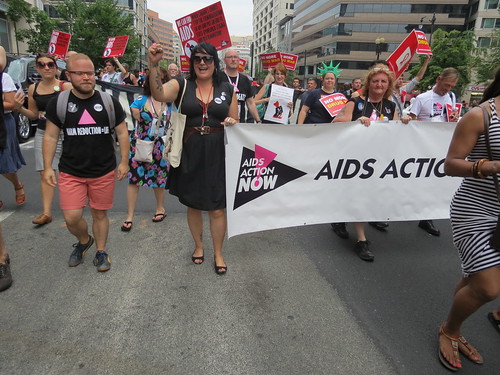
Dear Jane Philpott, Minister of Health,
As a community of people living with and affected by HIV and Hepatitis C we have been listening with concern to the limited information released from the Public Health Agency of Canada (PHAC) regarding massive changes to the funding landscape that supports organizations and services that our lives depend on. Specifically, we have been concerned about the recent response to a funding call and the Letters of the Intent for the HIV and Hepatitis C Community Action Fund. We are very concerned with the way the process has taken place with regards to which organizations and proposal have been denied and accepted through the Letters of Intent process and the negative outcomes of decisions from the PHAC which have the potential to have a massive impact on the ongoing HIV and Hepatitis C epidemics in Canada.
Specifically, the current selection process for applicants to the Community Action Fund has widely lacked transparency, is rife with confusion and as such it has been hard for our communities to interpret the actions of PHAC and decisions as being sufficiently accountable to our communities that are most affected by HIV and Hepatitis C. Based on the current very limited information PHAC have made available, we know that several long-standing programs and organizations that provide vital supports and services to those who most direly need supports, including indigenous people, trans people, people of colour and injection drug users have had their Letters of Intent rejected, with no chance of appeal. This means that some organizations such as the Canadian Aboriginal AIDS Network and the Canadian Treatment Action Council may have to close their doors for good. This is also the case with some peer-based programs in communities run by and for people with lived experience.
We have also heard that PHAC has had concerns about the “quality” of some of the proposals, yet the quality criteria from PHAC has not been transparent or publicly available, nor has the selection processes, including who is involved in the reviews and who has made decisions. This is especially concerned considering many organizations have raised concerns that reviewer comments on their Letters of Intent have been out of touch with local realities, have ignored a wide evidence-base and have been convoluted, inconsistent and/or incoherent. Furthermore, it was a regular concern that PHAC has had a delayed response to emails during the process so as to help address organizations questions and appeals for support.
Additionally, we know that PHAC is publicizing that the agency is seeking “new” and “innovative” programs, but are unable to tell what PHAC is using as definitions for “new” and “innovative” or what is driving this logic. Some of the organizations whose Letters of Intent were rejected absolutely had these qualities, through offering programs and services that were vital to particularly marginalized communities, using models of peer-based self-empowerment that may not be “new” to PHAC, but are vital and have a widely accepted proven evidence-base in working to addressing HIV and Hepatitis C in our communities.
Creating confusion, division and an environment of competition, in which already marginal and vulnerable people are encouraged to fight over the same amount of meagre resources is not “new” and it is not “innovative”. This logic of government is age-old and is designed to keep us distracted from the real target at hand and instead keeps us fighting each other.
As people living with and affected by HIV and Hepatitis C, we want you, the Minister of Health, and the bureaucrats at PHAC to know that we are watching this process closely, we demand transparency, and we are ready to act if our communities are further threatened. We demand that the selection process is made transparent, including the release of the names of people involved in the selection committees and the thematic areas of expertise they hold. We demand that you are more transparent about how you applied the principles of the Greater and Meaningful Involvement of People Living with HIV and Hepatitis C (GIPA/MIPA) in your process. We also demand that an appeals process be made available to those organizations that have had their Letters of Intent denied so as to remedy the lack of support and transparency they were also denied while developing their proposals.
In September 2016, Prime Minster Trudeau hosted the Global Fund for HIV, TB and Malaria Replenishment Meeting and made commitments to increase funding to the Global Fund; during this time he took the opportunity to pose for numerous photo with leaders of important organizations that respond to HIV and Hepatitis C in Canada. These same organizations are now likely dealing with extensive cuts to their vital organizations and services. The timing of Trudeau’s photo opportunities (and the goodwill they represent) with the faulty PHAC funding and approval process for HIV and Hepatitis C in Canada make us suspicious that you are interested in public relations exercises at the expense of people who are suffering from issues related to HIV and Hepatitis C in Canada.
Our community is vigilant, strong and resilient, as we have endured years of the Harper government’s legacy of administrative violence towards us. The current actions of your government look very similar to that past Harper regime. If your government wants to distinguish itself from the past legacy of secrecy and attacks on marginalized people impacted by HIV and Hepatitis C the time is now to demonstrate how are you are indeed the progressive sea change the Liberal party public relations machine is working so hard to make us believe.
We demand transparency and accountability now! We are watching closely.
Sincerely AIDS ACTION NOW!